
How to Write an SEO Service Page That Actually Ranks and Converts
Learn how to build SEO service pages that rank for specific home services and turn search traffic into booked work. This guide covers page structure, title tags, FAQs, CTAs, internal linking, schema, and common mistakes to avoid.
10 Reasons Your Local Business Isn’t Showing Up on Google Maps (Plus One Rare One)
If your business isn’t showing on Google Maps, the problem may be verification, suspension, incorrect categories, service-area settings, reviews, citations, or your website. Here are 10 common reasons home services businesses disappear from Maps or struggle to rank—and what to check first.
How to Create a Content Strategy for Your Home Services Business
A home services content strategy should do more than generate traffic. It should build trust and turn homeowner searches into leads. This step-by-step guide covers goal setting, audience research, content audits, topic clusters, keyword mapping, publishing cadence, repurposing, and performance measurement.
Why Screaming Frog Is the Best SEO Tool for Website Auditing
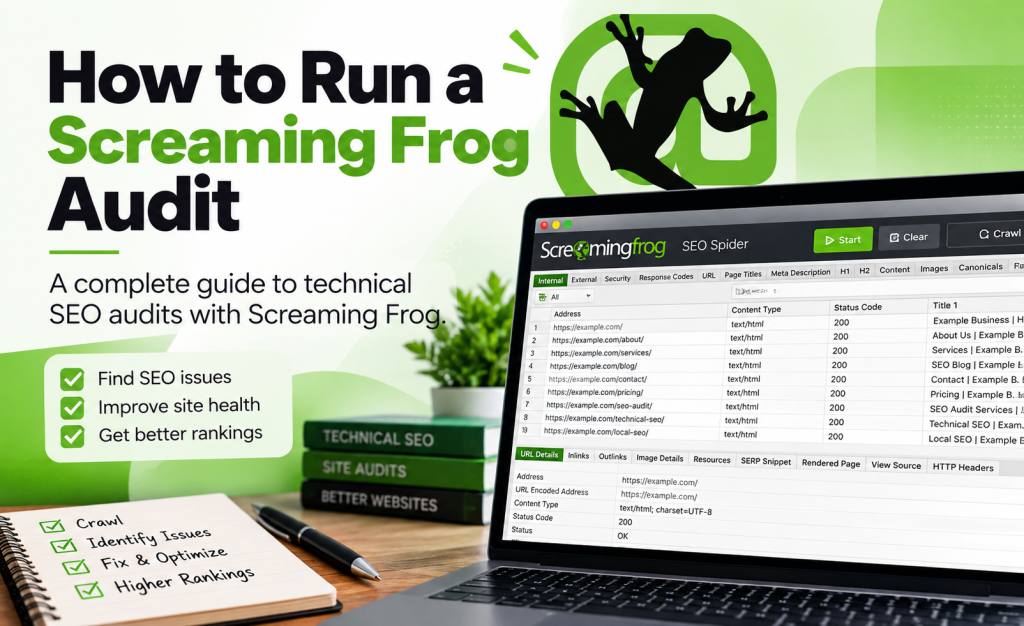
A Screaming Frog SEO audit crawls your website much like a search engine, revealing technical problems that can prevent otherwise strong pages from performing. Learn how the SEO Spider uncovers indexing issues, broken links, redirect chains, duplicate content, title problems, orphan pages, invalid schema, Core Web Vitals issues, and JavaScript content search engines may struggle to see.
What Is a Title Tag? And Why It’s the Most Important Line on Your Website
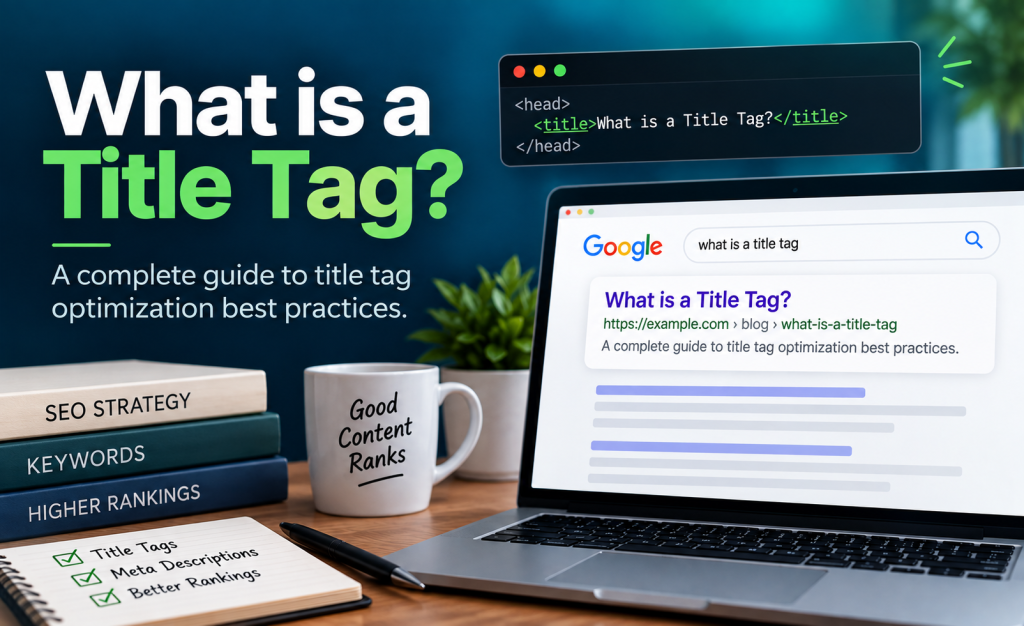
Title tags influence how search engines understand your pages and whether searchers choose to click them. Learn how to optimize title length, keyword placement, CTR, and brand usage, reduce the chances of Google rewriting your titles, and test changes using real Search Console data.
How to Set Up and Optimize Your Google Business Profile from Scratch
A well-optimized Google Business Profile can turn local searches into calls, visits, and booked appointments. This guide walks through 10 steps for improving your profile, from verification and categories to photos, reviews, Google Posts, performance tracking, and ongoing maintenance.
How to Respond to Google Reviews (and Turn Bad Ones Into Wins)

Learn how to respond to Google reviews the right way. These practical templates for positive and negative reviews help small businesses build trust, protect their reputation, and strengthen their local SEO presence.
8 Google Ad Types Every Local Business Should Know

Search isn’t the only way local businesses can advertise with Google. This guide compares eight Google Ads types—including Search, Local Services Ads, Performance Max, Demand Gen, YouTube, remarketing, and call ads—and explains how to build the tracking foundation needed to know which campaigns actually generate calls and leads.
What Are Google Local Services Ads and Are They Right for Your Business?
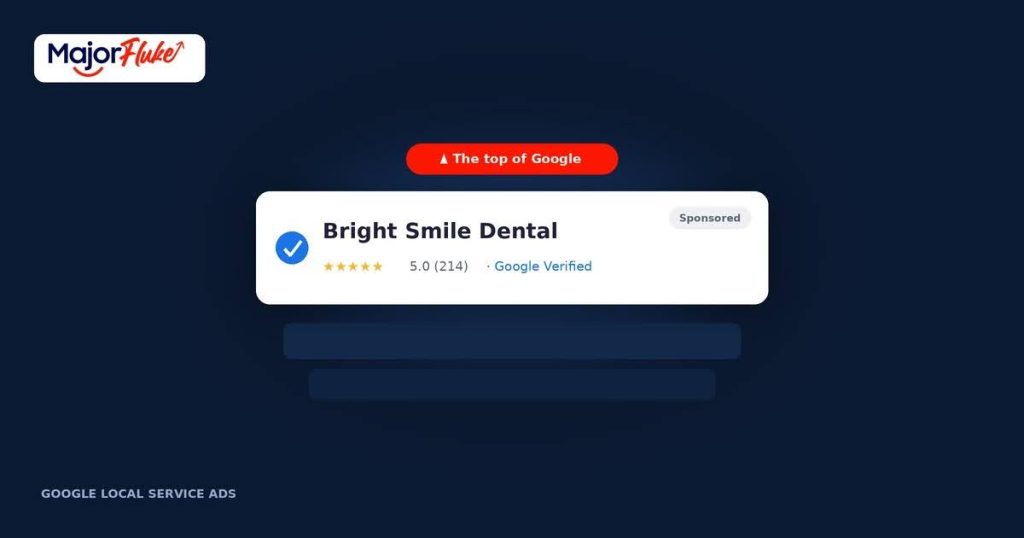
Google Local Service Ads put eligible businesses at the top of local search results and charge per lead instead of per click. Learn how LSAs work, what types of businesses qualify, what affects rankings, how Google Verified works, how your charged per leads versus by the click, and whether they make sense for your business.
How to Build Citations That Actually Move Your Local Rankings

Local citations still matter for local SEO, but quality, relevance, and consistency now matter far more than raw directory count. Learn which citation sites deserve your attention, how to maintain consistent NAP data, fix existing listings, use industry-specific directories, and build unstructured mentions that can strengthen local and AI-search visibility.
Yoast SEO vs Rank Math: Which WordPress SEO Plugin Is Right for You?

Trying to decide between Yoast SEO and Rank Math? This in-depth comparison breaks down their features, pricing, schema support, usability, performance, and WooCommerce tools so you can choose the best WordPress SEO plugin for your website.
Why Content Marketing Matters for Local Businesses (and How to Do It Well)

Content marketing helps local businesses attract customers by answering the questions they’re already searching for online. Learn how blog posts, landing pages, and SEO work together to build trust, increase visibility, and generate leads long after you hit publish.